up to 30% OFF Storewide Sale continues King’s Birthday Weekend 👑

0

你的购物车是空的

Supplements
  • 按健康问题购物

  • 按类别购物

  • Shop All

  • 护肤品
  • Shop by Skin Type / Concern

  • 按类别购物

  • Shop All


  • Glycine Deficiency: Why You're Not Getting Enough + The Role of Collagen

    March 31, 2026 4 min read

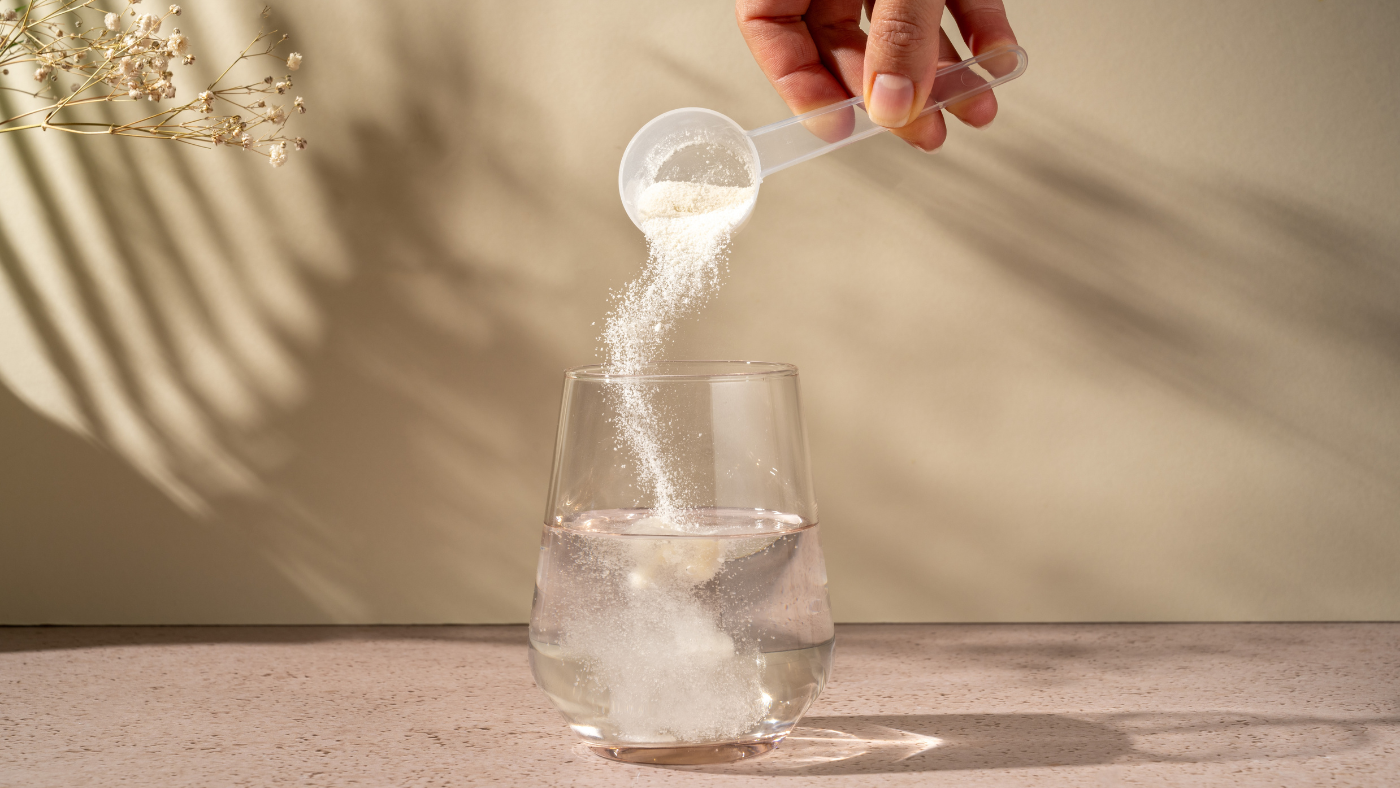
    Glass of water with a scoop of collagen powder being added

    Key Highlights: 

    • Glycine is a key amino acid needed for collagen, skin, joints, sleep, and detoxification
    • Modern diets are low in glycine due to reduced intake of collagen-rich foods
    • This creates an amino acid imbalance that may affect ageing, recovery, and overall health
    • Collagen is the richest dietary source of glycine
    • Supplementing with collagen is a simple, effective way to restore balance


    What is Glycine - And Why Is It Important

    Glycine is a non-essential amino acid that plays a critical role in the body's foundational systems, including:

    • Collagen production (skin, joints, connective tissue)
    • Detoxification (liver support and toxin clearance)
    • Nervous system regulation (calming neurotransmitter)
    • Sleep quality and recovery
    • Gut health lining and integrity

    Although the body can produce enough glycine, it often cannot make enough to meet modern physiological demands - especially when under stress, due to ageing or poor diet. 


    Why Modern Diets Are Low in Glycine

    Historically, humans consumed "nose-to-tail" diets, meaning we ate the whole animal - skin, bones, cartilage, and connective tissue. 

    These parts are naturally rich in glycine. 

    Today most diets focus on:

    • Lean muscle meats (chicken breast, steak)
    • Processed protein sources
    • Reduced intake of slow-cooked or bone-based foods

    The result?

    A nutritional imbalance:

    • High methionine intake (from muscle meat)
    • Low glycine intake (from collagen-rich foods)

    This imbalance may contribute to:

    • Increased inflammation
    • Poor collagen repair
    • Reduced detox efficiency
    • Accelerated ageing processes


    Signs You May Not Be Getting Enough Glycine

    While not always obvious, low glycine intake may show up as:

    • Poor skin elasticity or premature ageing
    • Joint stiffness or slower recovery
    • Trouble sleeping or staying asleep
    • Low resilience to stress
    • Sluggish detoxification (fatigue, brain fog)


    Why Glycine Matters More As You Age

    As we age:

    • Collagen production declines
    • Detox pathways become less efficient
    • Recovery slows

    At the same time, demand for glycine increases.

    This creates a gap that diet alone often doesn't fill - especially without traditional foods like bone broth or organ meats. 


    Best Sources of Glycine

    Natural Food Sources

    Glycine is most abundant in:

    • Bone broth
    • Gelatin
    • Skin-on meats
    • Slow-cooked cuts (shanks, oxtail)
    • Connective tissue

    However, these foods are:

    • Less commonly consumed
    • Time-intensive to prepare
    • Often absent from modern diets


    How Collagen Supplements Help Restore Glycine Intake

    Collagen is one of the richest dietary sources of glycine, making it one of the easiest ways to restore balance. 

    High quality collagen supplements provide:

    • Concentrated glycine content
    • Bioavailable amino acids
    • Convenient daily intake without long cooking times


    Collagen Support - The abeeco Range

    The abeeco collagen range is formulated to deliver high quality, bioavailable collagen peptides that support the body's natural repair and renewal processes.

    Options within the range support:

    • Skin hydration and elasticity
    • Joint strength and mobility
    • Hair and nail health
    • Daily collagen replenishment for ageing support

    Compared to traditional food sources, these products offer a consistent and convenient source of glycine-rich collagen, helping maintain balance even with a modern lifestyle.


    Benefits of Collagen Supplementation

    • Supports skin, hair, and nail health
    • Promotes joint and connective tissue strength
    • Aids gut lining repair
    • Supports sleep and nervous system balance


    Bovine vs Marine Collagen: What's the Difference?

    At Abeeco, we offer two specialised collagen formulations designed to support different goals. 

    Ultra Collagen Powder Supplement (Hydrolysed Collagen Peptides)

    Our Ultra Collagen Powder contains high-quality hydrolysed collagen peptides designed for optimal absorption.

    Key features:

    • Rich source of glycine and proline
    • Easily mixed into smoothies or water
    • Supports skin, joints and connective tissue
    • Convenient daily powder format

    Hydrolysed collagen peptides are broken down into smaller peptides for improved bioavailability and absorption (1).

    This option is ideal for those wanting versatile, whole-body structural support. 

    Marine Collagen + Keratin Supplement

    Our Marine Collagen + Keratin formula combines marine-derived collagen peptides with keratin for targeted beauty support. 

    Key features:

    • Marine collagen (primarily Type 1 collagen)
    • Includes keratin for hair and nail strength 
    • Supports skin firmness and elasticity
    • Designed for beauty-from-within support

    Marine collagen is particularly popular for those focused on skin appearance, as type 1 collagen is the dominant form found in skin tissue (2).


    Restoring Balance: Why Glycine Matters in a Modern Diet

    Modern nutrition often focuses heavily on:

    • Protein quantity
    • Muscle-building amino acids

    But balance matters just as much as intake. 

    Glycine helps counterbalance other amino acids and supports systems that are essential for:

    • Longevity
    • Recovery
    • Whole-body resilience


    Frequently Asked Questions About Glycine

    What does glycine do in the body?

    Glycine supports collagen production, detoxification, nervous system balance, sleep quality, and gut health. It's a foundational amino acid involved in many repair processes. 

    Why are modern diets low in glycine?

    Most modern diets prioritise lean muscle meats and processed foods, while lacking traditional collagen-rich foods like bone broth, skin, and connective tissue. 

    Can I get enough glycine from food alone?

    It's possible, but difficult for most people without regularly consuming slow-cooked meats, bone broths, or organ meats. This is why many people turn to collagen supplements. 

    Is collagen a good source of glycine?

    Yes - collagen is one of the richest dietary sources of glycine, making it an effective way to increase intake. 

    Who may benefit from more glycine?

    People experiencing:

    • Ageing skin or joint concerns
    • Poor sleep
    • High stress
    • Slow recovery
    • Low intake of collagen-rich foods


    Final Thoughts

    Glycine may not get as much attention as other nutrients, but it plays a foundational role in how the body repairs, restores, and regulates itself.

    With modern diets falling short, collagen supplementation - including the abeeco collagen range - offers a practical, effective way to bridge the gap and support long-term health. 


    References

    1. Asserin J., Lati E., Shioya T., Prawitt J. (2015) The effect of oral collagen peptide supplementation on skin moisture and the dermal collagen network: evidence from an ex viv model and randomized, placebo-controlled clinical trials. Retrieved from: https://onlinelibrary.wiley.com/doi/10.1111/jocd.12174
    2. Klark K., Sebastienelli W., Flechsenhar K., Aukermann D., Meza F., Millard R., Deitch J., Sherbondy P., Albert A. (2008) 24-week study on the use of collagen hydrolysate as a dietary supplement in athletes with activity-related joint pain. Retrieved from: https://pubmed.ncbi.nlm.nih.gov/18416885/


    Rebecca Wood
    Naturopath & Medical Herbalist

    Rebecca Wood

    MEET THE AUTHOR

    With over 20 years of experience in clinical practice, Rebecca brings a wealth of knowledge and genuine passion to the world of natural health. She loves exploring the science behind nature's remedies and sharing practical insights to help others on their wellness journey. Dedicated to empowering people to take charge of their health, Rebecca combines research, expertise, and care in everything she does.